Comprehensive Overview to Orthodontics Procedures for Correcting Oral Imbalances
In the world of orthodontics, the journey to attaining a completely aligned smile involves a myriad of treatments customized to deal with dental misalignments. From standard dental braces to invisible aligners and even medical choices, the area of orthodontics offers an array of services to deal with varying levels of oral irregularities. Recognizing the complexities of each procedure, including their mechanisms, advantages, and prospective downsides, is crucial in making notified decisions about one's orthodontic treatment. As we browse with the thorough guide to orthodontic procedures for dealing with dental misalignments, the intricate details of each approach will unfold, clarifying the course toward a unified and practical dental positioning.
Orthodontic Procedures Review

In enhancement to conventional dental braces and clear aligners, orthodontists may likewise suggest other treatments like headwear, palatal expanders, or retainers to resolve specific positioning problems (cumming aligners). These procedures are customized per individual's unique needs and might include a mix of treatments to achieve the preferred results. Routine adjustments and surveillance are crucial components of orthodontic treatment to guarantee progress gets on track and to make any kind of needed alterations in the process. By undertaking orthodontic treatments, patients can not only accomplish a straighter smile however additionally boost their general oral health and feature.
Conventional Braces: Just How They Work

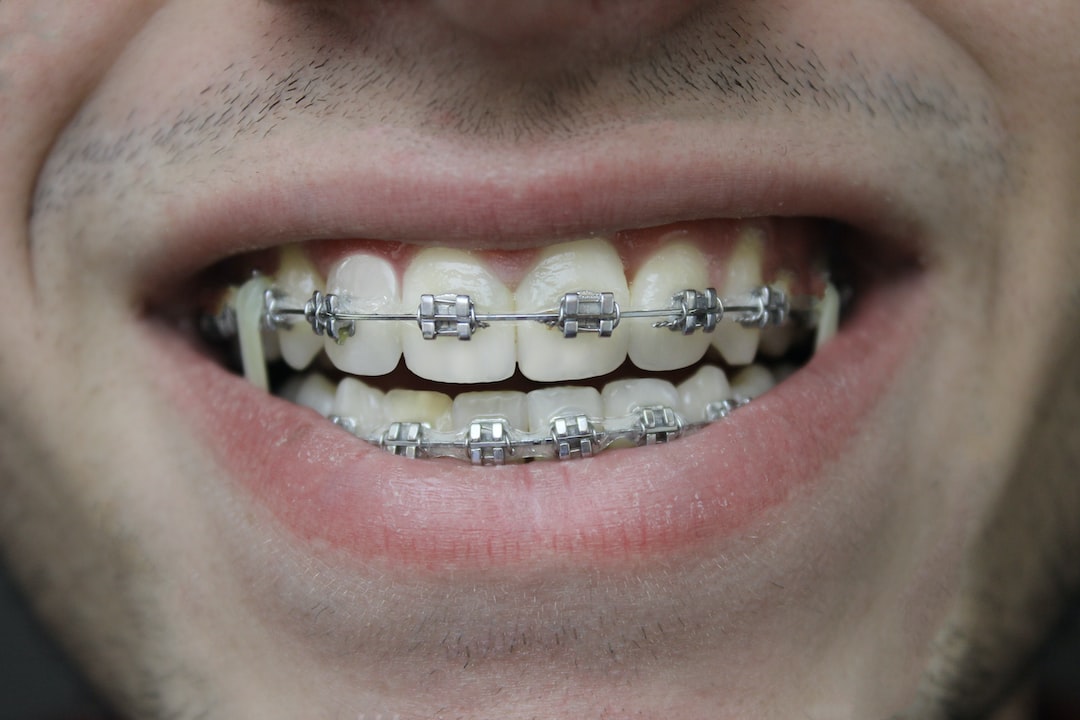
When taking into consideration orthodontic therapies for oral misalignments, typical dental braces stand out as a time-tested approach for fixing teeth positioning. Traditional braces are composed of brackets, cords, and bands that function together to apply continuous stress on the teeth, gradually moving them into the desired alignment.
As pressure is used to the teeth via the dental braces, the bone bordering the teeth is reshaped to support the brand-new tooth settings. People will certainly need normal changes at the orthodontist's office to guarantee the dental braces continue to use the appropriate stress for reliable teeth activity.
Unnoticeable Aligners: Benefits And Drawbacks
These clear, personalized trays are practically invisible when used, making them an enticing alternative for individuals looking for an extra cosmetically pleasing orthodontic therapy. Clients can remove the aligners before consuming or brushing their teeth, reducing the threat of food obtaining stuck in the device and streamlining the cleaning process.
Surgical Orthodontic Options
Surgical treatments in orthodontics existing viable alternatives for resolving intricate oral misalignments that might not be efficiently resolved through conventional orthodontic treatments. While typical dental braces and unseen aligners can remedy numerous orthodontic concerns, specific situations require surgical intervention to attain ideal outcomes. Surgical orthodontic options are usually recommended for severe malocclusions, significant jaw discrepancies, and instances where the underlying bone framework requires adjustment to achieve proper alignment.
One common medical orthodontic procedure is orthognathic surgical procedure, which includes rearranging the jaws to deal with practical problems anonymous such as trouble chewing or talking. This surgical procedure is commonly done in collaboration with an orthodontist who assists line up the teeth prior to and after the procedure. Surgical orthodontics may also include treatments to subject affected teeth, get rid of excess periodontal tissue, or reshape the jawbone to create a more harmonious facial profile.
Before considering surgical orthodontic choices, patients undergo a detailed analysis to determine the need and prospective advantages of such interventions. aligners. While surgery might seem difficult, it can substantially improve both the function and aesthetics of the smile in instances where standard orthodontic therapies fail
Retainers and Post-Treatment Treatment
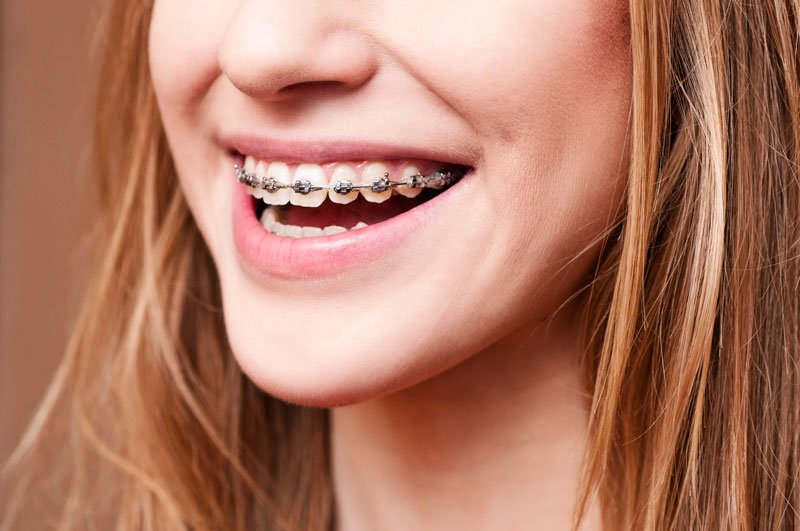
Post-treatment treatment entails adhering to the orthodontist's guidelines diligently. This might include appropriate oral hygiene practices, participating in follow-up visits, and using the retainers as prescribed. Failure to follow post-treatment our website treatment guidelines can lead to relapse, where the teeth slowly relocate back in the direction of their original placements. Consistent retainer wear, great oral health, and routine oral check-ups are essential for preserving the results attained via orthodontic surgical treatment and making sure the long-lasting security of the corrected dental positioning.
Verdict
In verdict, orthodontic treatments provide numerous choices for remedying oral imbalances. Surgical orthodontic choices are offered for a lot more severe imbalances. On the whole, orthodontic treatments can effectively enhance oral wellness and aesthetic appearance.
As we browse with the thorough guide to orthodontic procedures for fixing oral imbalances, the complex information of each method will certainly unravel, dropping light on the course toward a practical and unified dental positioning. - cumming aligners
One of the most common orthodontic therapies is the usage of dental braces, which are composed of steel brackets and cables that use gentle pressure to progressively move teeth into the preferred setting.When taking into consideration orthodontic therapies for oral imbalances, traditional braces stand out as a reliable technique for remedying teeth positioning. Additionally, unseen aligners may not be appropriate for intricate orthodontic issues that require even more substantial teeth motion, as they are commonly recommended for mild to modest cases. Retainers are personalized orthodontic devices created to hold teeth in their dealt with placements after the conclusion of orthodontic therapy.